
A jar labeled “arnica salve” may look much like the next, but the formulas inside can differ in important ways. One product might combine arnica-infused oil with beeswax and shea butter, while another includes essential oils or a homeopathic preparation. These differences can affect scent, texture, skin comfort, and price. To find the best arnica salve for your needs, check what type of arnica the product contains, review every ingredient, and compare the cost per ounce. Keep in mind that product claims and customer reviews don’t prove a salve will relieve discomfort. This guide covers what to look for, how to use arnica carefully, and when to seek medical advice.
Key Takeaways
- Keep expectations realistic: Evidence for topical arnica is mixed, so treat it as an option for minor discomfort, not a proven fix or substitute for medical care.
- Choose by the details on the label: Check the arnica formulation, complete ingredients, directions, container size, and total cost before buying.
- Use it with care: Apply only to intact skin, follow the product instructions, and stop if irritation appears. Ask a healthcare professional if you have allergies, take medication, or are pregnant or breastfeeding.
What Is Arnica Salve, and What Does It Do?
Arnica salve is a topical product made with Arnica montana, a flowering plant in the sunflower family. People often use it for minor bruises, muscle soreness, and joint discomfort. Products can differ considerably, though, so the word “arnica” on the label doesn’t tell you how much plant extract a salve contains or whether it’s suitable for your skin.
How topical arnica is made and commonly used
Manufacturers usually extract compounds from arnica flowers, often by infusing them in oil. They may blend that oil with beeswax, plant butters, or other ingredients to create a thicker product that spreads over the skin. The amount and type of arnica extract can vary from one salve to another.
People typically apply topical arnica to intact skin over a minor bruise or sore area. Some say it eases discomfort or swelling, but individual experiences don’t prove that a product works. Evidence for topical arnica is mixed, according to the Cleveland Clinic’s overview. A salve also can’t diagnose an injury or replace medical care when symptoms are severe or persistent.
What evidence says about arnica products
Research has examined topical arnica for bruising, muscle soreness, and pain, but the findings don’t establish reliable relief for everyone. It’s also important to check what kind of product a study evaluated. An herbal salve made with arnica extract is different from a homeopathic product, which may be diluted to contain very little arnica. The two types aren’t interchangeable, and a homeopathic label alone doesn’t show that a product is effective.
“Natural” doesn’t automatically mean safe. Arnica can irritate the skin or cause an allergic reaction, especially in people sensitive to plants in the Asteraceae family, such as daisies and ragweed. Don’t apply it to cuts, scrapes, or irritated skin, and never swallow a topical product. Poison Control’s guidance on arnica explains potential risks and why it should be used carefully.
When to seek medical care
Arnica salve may be something to consider for a minor ache or bruise, but don’t rely on it for a significant injury. Seek medical care for severe pain, substantial swelling, worsening bruising, or symptoms that persist or get worse. Get prompt help if an injury limits movement or follows a significant impact. If you develop a rash, swelling, or another reaction after applying arnica, stop using it and contact a healthcare professional.
How Do You Choose an Arnica Salve?
Start with the label, not the product name. Look for the plant species, often Arnica montana, and see whether the manufacturer identifies the plant part, extract type, and amount or concentration. Some labels leave out these details, so check the brand’s website or contact the manufacturer if you’re unsure. A higher stated concentration does not guarantee better results, and research on arnica’s benefits is limited.
Read the full ingredient list. Ingredient order helps you see what a product contains, but it does not tell you how much arnica is present or how effective the salve may be. Check whether arnica appears as an herbal extract or as a homeopathic ingredient with a dilution listed, such as 1X or 6X. These describe different formulations. The Cleveland Clinic’s arnica guide explains common uses and safety considerations.
Consider the base and added ingredients. Oils, butters, and beeswax can give a salve a thicker feel and leave more residue. A lighter oil-based formula may spread more easily. There’s no single texture that works best for everyone, so think about whether you prefer a richer, more moisturizing feel or a product that feels less noticeable on your skin. Check for essential oils, menthol, camphor, and fragrance, especially if your skin is sensitive. These ingredients may irritate some people or trigger an allergic reaction.
Match the formula to your needs. Consider where you plan to apply the salve, any known skin sensitivities, and the texture you prefer. Use arnica only on intact skin, not on cuts, scrapes, or irritated areas. If you have a plant allergy or aren’t sure whether a product is suitable for you, ask a healthcare professional. Poison Control’s arnica advice provides additional safety guidance.
Compare value and claims. Check the container size and calculate the price per ounce, including shipping, rather than comparing shelf prices alone. Look for clear directions and realistic claims. Be cautious of promises of guaranteed relief, and follow the label for how much to apply and how often.
Which Arnica Salves Should You Compare?
These three salves differ in their ingredients, product details, and seller claims. Comparing the formulas, textures, and total costs can help you find an option that suits your preferences. Treat statements about comfort or relief as product claims, not a promise of results. Ingredients, prices, availability, and reviews can change, so check current product information before buying.
Organic Botanicals Pure Arnica Salve: review its ingredients, size, and intended uses
The Organic Botanicals Pure Arnica Salve listing names four main ingredients: organic arnica-infused oil, organic virgin shea butter, organic coconut oil, and organic beeswax. The seller says the formula is free from alcohol, aluminum, artificial colors, parabens, and petroleum. Check the current label for the full ingredient list, particularly if you have allergies or sensitivities.
The listing describes the salve for external use on areas such as shoulders, knees, hands, and calves. It also mentions sore muscles, stiffness, bruises, and minor swelling as intended uses. These are seller statements, not guaranteed outcomes. The information provided for this comparison lists a 2-ounce container at $26.65, or about $13.33 per ounce. Confirm the current price, size, and directions before ordering.
Neal’s Yard Remedies Arnica Salve: compare its formula, organic claims, and texture
Neal’s Yard Remedies lists arnica, olive and sunflower oils, beeswax, rosemary and ginger essential oils, lavender oil, and comfrey root extract. The brand describes the salve as 99.9% organic and identifies it as Soil Association certified, cruelty-free, and suitable for vegetarians. Check the brand’s product information for current certification details and the complete ingredient list, especially if you prefer to avoid essential oils.
The brand recommends the product for aching muscles and bruises. Its oil-and-wax base may feel richer than a gel, though scent and texture are personal preferences. The supplied comparison information lists 561 reviews, with 518 rated positively. Review counts and ratings can change, so check the current product page. Read individual comments for useful details about scent, application, and residue, while remembering that customer feedback cannot establish how well the salve works.
Farmhouse Teas Arnica Salve: review its ingredients, sizes, and stated uses
Farmhouse Teas lists arnica-infused olive oil, beeswax, shea butter, coconut oil, lavender, and tea tree essential oils. The Farmhouse Teas product page describes the salve as moisturizing and easy to glide over skin. Suggested uses include massaging tired muscles after activity, applying after everyday bumps or bruises, and moisturizing hardworking hands. Treat these as the seller’s recommendations, and follow the product label.
The supplied information lists the price as $18 but does not state the container size. Without the size, you cannot make a reliable price-per-ounce comparison. Check the current product page for the jar size, availability, shipping fees, and directions. Review the ingredients for potential sensitivities, particularly if you prefer products without essential oils or have reacted to scented skin-care products.
Compare formula, scent, residue, spreadability, and ease of application
All three products use oil- and wax-based ingredients, but their formulas differ. Shea butter and coconut oil appear in the Organic Botanicals and Farmhouse Teas salves. Neal’s Yard Remedies lists olive and sunflower oils, along with several essential oils. These ingredients may affect a salve’s scent and feel, but product descriptions alone cannot show which one spreads most easily or leaves the least residue.
If texture matters to you, follow the label when trying a small amount on intact skin. A waxier formula may stay in place during a targeted massage, while oils and butters can leave a noticeable film. Scent preferences vary, and essential oils may not suit everyone. Choose a product based on comfort and ingredient preferences, not texture as a measure of effectiveness.
Consider feedback on comfort, texture, and perceived relief without treating ratings as proof
Reviews can offer practical details about scent, consistency, packaging, and ease of use. Look for recurring comments about whether a salve feels greasy, spreads smoothly, or comes in a convenient container. Detailed reviews that explain how someone used the product may be more helpful than a star rating alone.
Customer feedback reflects individual experiences. It cannot confirm that arnica caused a perceived change in soreness or bruising, and people may use products in different ways. Compare review patterns with the ingredient list and directions, and keep expectations realistic. Check when reviews were posted, too, since they may refer to an older formula or a different product size.
Compare price per ounce, container size, availability, and seller terms
A shelf price does not tell you the full cost. Compare container sizes and calculate the price per ounce when the information is available. Based on the details provided, Organic Botanicals is listed at $26.65 for 2 ounces. Farmhouse Teas is listed at $18, but its container size is unspecified. Neal’s Yard Remedies lists a 45-gram container, so check its product page for the current price.
Shipping fees, stock status, discounts, and return terms can affect the total. Confirm whether the product ships from the brand or another seller, and review the seller’s policies before ordering. A lower listed price may not be the better value if the container is smaller or shipping adds to the cost. Prices and availability can change, so compare current listings.
Verify product labels, prices, review counts, and claims before publication
Product details can change, including formulas, packaging, prices, and stated uses. Before buying, compare the current label with the online listing. Check the directions, external-use warnings, and cautions about applying the salve to broken or irritated skin.
Verify review totals and certification claims on the relevant brand or retailer page. For health-related statements, separate what a seller claims from what research establishes. Customer reviews and product descriptions are not a substitute for medical advice. If you have a health concern or are unsure whether a topical product is suitable for you, ask a healthcare professional.
Related products

Arnica Salve eases discomfort and helps reduce the appearance of discoloration from bruising.
View product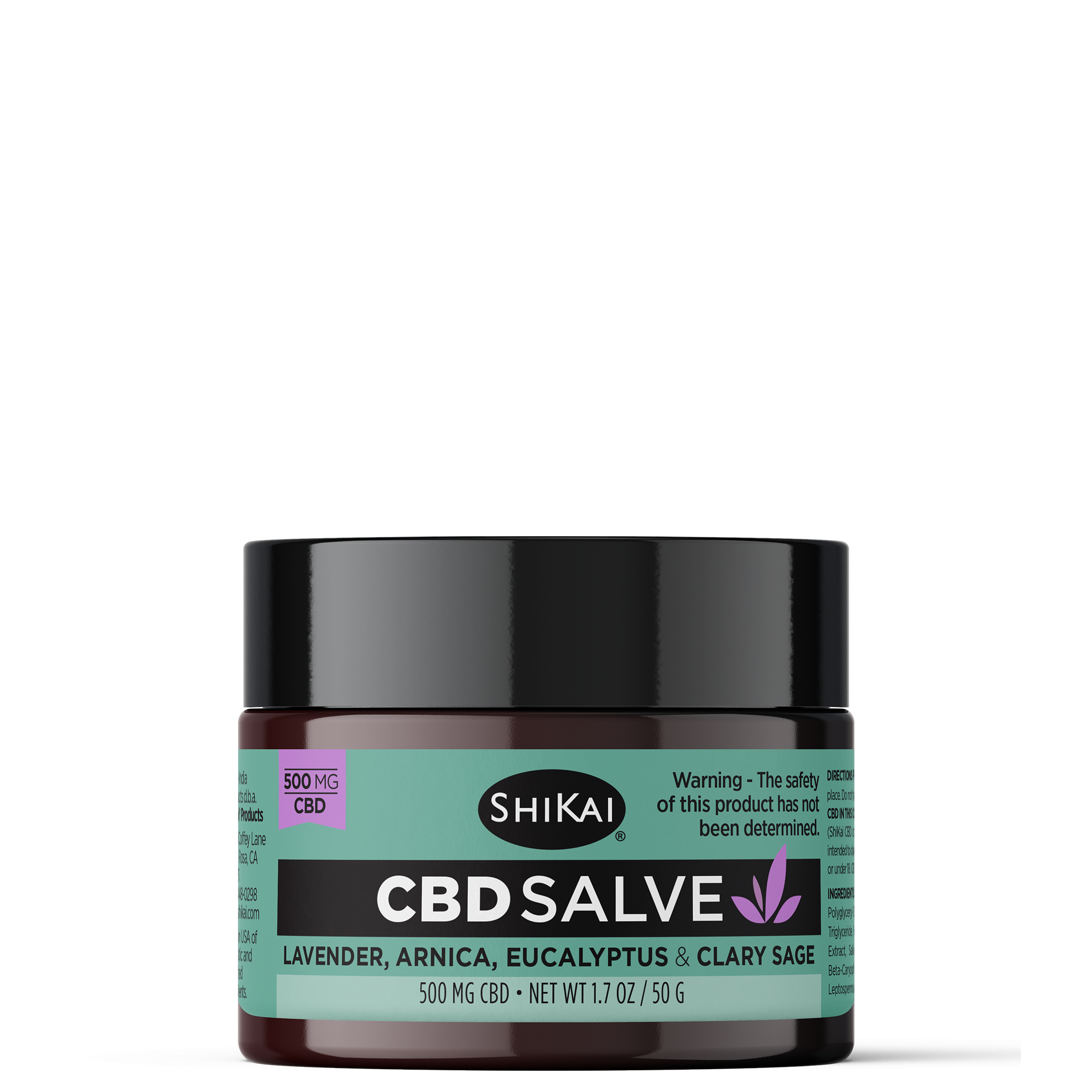

How Do Arnica Salve, Gel, and Cream Compare?
Arnica products come in different textures, but the format mainly affects how a product feels and applies. It doesn’t indicate how well it works. Compare the ingredients and directions on the label, then choose a texture that suits your skin and intended use.
Salve: A Thicker, Oil- and Wax-Based Formula
Salves are typically made with oils and waxes, which give them a thicker, richer feel. They may stay on the skin longer than lighter formulas, making them a practical choice for applying to a specific area. That lingering layer can also feel greasy or leave residue, so start with a small amount and see how it feels.
A salve may suit you if you prefer a balm-like texture. If you want something that dries quickly or feels less noticeable under clothing, a gel or cream may be more comfortable. Formulas vary, so check the ingredient list for beeswax, oils, fragrance, or other ingredients you may wish to avoid. The Cleveland Clinic’s overview of topical arnica explains some common differences in how these formats feel.
Gel and Cream: Lighter or More Moisturizing Options
Arnica gels are often lightweight and may dry with less residue than oil-rich salves. Their texture can make them easy to spread, though drying time and feel depend on the specific product.
Creams usually combine water and oils, so they may feel more moisturizing than gels. They can be a comfortable option if you prefer a softer, less waxy texture. Ingredient lists differ by brand, so check for fragrance or other components that may irritate your skin, especially if you’re sensitive to topical products. Whatever format you choose, follow the label directions and apply it only to intact skin.
Compare the Feel, Not Just the Format
Think about where you plan to apply the product and what textures you find comfortable. A salve may work for targeted application, while a gel or cream may be easier to spread over a larger area. Scent, residue, and absorption also vary by formula, so don’t rely on the product type alone to predict how it will feel. Review the label, and consider testing a small amount first if your skin is sensitive.
Texture is a personal preference, not proof of effectiveness. Research on arnica’s benefits remains limited, and a product that feels soothing or absorbs quickly isn’t necessarily more effective. The National Center for Complementary and Integrative Health’s arnica information offers more context on the evidence and safety. Don’t use a topical product in place of medical care for a significant injury or persistent symptoms.
Where Can You Buy Arnica Salve and Compare Prices?
You can find arnica salve on brand websites, at pharmacies and health shops, and through established online retailers. Shopping in person lets you inspect the package and ingredient list before buying. Online, it’s easier to compare brands and product sizes side by side. Check that the product is a salve, not a gel or cream, if you prefer a thicker texture. The Cleveland Clinic’s guide to arnica explains the different topical formats commonly sold.
Look beyond the listed price when comparing options. Note each container’s size and calculate its price per ounce to make a fair comparison. A smaller jar may cost less upfront but more per ounce. For online orders, add shipping and any applicable taxes to the total. If you’re comparing different container sizes, consider how much you’re likely to use and check the product’s expiration date.
Before checking out, read the terms for any discount or promotion. An offer may be limited to first-time customers, require a minimum purchase, or exclude certain products. Confirm that the discount appears in your cart and review the final total, including delivery fees. Promotions and coupon codes can have restrictions, so don’t rely on an advertised price until you see the amount due.
Choose a seller that provides clear product details, including the brand name, complete ingredient list, directions, and contact information. On a marketplace, check who sells the item and whether the listing comes from the brand or a third-party retailer. Read the return policy before ordering, especially because return terms for opened personal-care products can vary. The Federal Trade Commission’s online shopping advice offers tips for reviewing sellers and purchase terms.
Prices, availability, and promotions can change, so confirm them on the seller’s page before placing an order. When your salve arrives, compare the package with the listing and check that its seal and label are intact. If anything appears different from what you ordered, contact the seller before using the product.
How Do You Apply Arnica Salve Safely?
Arnica salve is meant for use on the skin, and directions can vary by product. Read the label before applying it, even if you’ve used another arnica product before. A few precautions can help you reduce the risk of irritation.
Follow the product directions. Use the amount and frequency listed on the label, and don’t continue longer than directed. Arnica products can differ in ingredients and formulation, so don’t transfer directions from one brand to another. If the instructions are unclear, ask a pharmacist or healthcare professional. The Cleveland Clinic’s arnica guidance also advises following the product label.
Apply it only to intact skin. Don’t use arnica salve on cuts, scrapes, open wounds, or skin that is already irritated. Keep it away from your eyes and mucous membranes, including the inside of your nose and mouth. Wash your hands after applying it, unless you’re treating your hands, so you don’t accidentally transfer the product to a sensitive area. Poison Control’s arnica safety advice explains why it’s important to avoid broken skin.
Patch-test if you have sensitive skin or plant allergies. Apply a small amount to a small area of intact skin and follow the label’s directions. Check the area for redness, itching, rash, or swelling before using the salve more broadly. A patch test can’t guarantee you won’t have a reaction, but it may help you spot irritation early.
Stop using the salve if a reaction develops. Wash it off and discontinue use if you notice irritation or signs of an allergic reaction. Contact a healthcare professional if symptoms are severe, spreading, or don’t improve.
Never swallow topical arnica. Use salve only as directed on the skin. Keep it away from children and pets, and contact Poison Control or a healthcare professional promptly if someone swallows it.
Who Should Avoid Arnica or Ask a Clinician First?
Arnica salve may not be right for everyone. Check the label and consider your health history before using it. If you’re unsure, ask a healthcare professional or pharmacist, and show them the product’s ingredient list.
Avoid arnica if you’ve had an allergic reaction to it. Arnica belongs to the Asteraceae family, which includes plants such as chamomile, marigold, and ragweed. An allergy to one of these plants doesn’t automatically mean you’ll react to the others, but it’s a good reason to be cautious. Stop using the salve if you develop itching, a rash, or swelling. Poison Control’s arnica safety guidance explains the risks of using arnica products.
Ask a healthcare professional before use during pregnancy or breastfeeding. There isn’t enough reliable information to establish that arnica is safe in these situations. Don’t apply it to the breast or nipple, where a baby could come into contact with or swallow the product.
Check with a clinician if you take medication or have a health condition. Ask first if you take blood thinners, have a bleeding disorder, or are preparing for surgery. The possible risks can depend on the product and how you use it. Share the label with your clinician or pharmacist, and avoid applying salve to cuts, irritated skin, or other damaged areas. WebMD’s arnica overview discusses potential side effects and medication interactions.
Keep topical arnica away from children and pets. Store the container out of reach, and don’t let children or animals lick skin where you’ve applied it. Arnica can be harmful if swallowed. If someone ingests the product, contact Poison Control in the United States, or your local poison centre, for advice.
Seek care for severe or worsening symptoms. Contact a healthcare professional if you have severe pain, substantial swelling, worsening bruising, or symptoms that persist or limit normal movement. These signs may need assessment rather than home treatment.
Don’t use salve in place of care for a significant injury. A suspected fracture, deep wound, or head injury needs prompt medical attention. Arnica salve is intended for external use and isn’t a substitute for evaluation or treatment. If you use it for minor discomfort, follow the label directions and stop if your skin becomes irritated.
Which Arnica Salve Best Fits Your Priorities?
The best fit depends on what matters most to you: a formula you can easily review, a preferred texture, a manageable total cost, or straightforward directions. Compare the details on the label rather than relying on popularity or the word “natural.”
For a simple formula, check the full ingredient list and potential allergens
Read the complete ingredient list, including oils, waxes, fragrances, and other botanical extracts. Arnica belongs to the Asteraceae family, so if you’re allergic to arnica or related plants, ask a healthcare professional whether a topical product is appropriate for you. A shorter ingredient list can be easier to check, but it doesn’t guarantee a product will suit your skin. Look for the arnica form and concentration if the manufacturer provides them, and don’t treat ingredient order as proof of potency. The Cleveland Clinic’s arnica overview notes that topical arnica can cause skin irritation or allergic reactions.
For less residue or a different feel, compare salves with gels and creams
Salves are often thick and oil- or wax-based, while gels tend to feel lighter and may leave less residue. Creams combine water and oils, giving them a different feel from either format. These differences can affect how easily a product spreads and how comfortable it feels on your skin, but texture doesn’t show whether a product works better. If you dislike a greasy finish, check the product format and directions before buying. A smaller container may also be a practical way to try the texture before purchasing a larger size.
For value, compare verified price per ounce, shipping, and product size
Compare the price per ounce rather than shelf prices alone: divide the product price by its net weight in ounces. Then account for shipping and other fees to estimate what you’ll actually pay. Check that you’re comparing similar sizes and product types, and verify prices with the seller before checkout. Stock, shipping costs, and promotions can change. Also confirm the amount of product in the container, since packaging can make two products look similar even when their net weights differ. Poison Control’s arnica guidance recommends reading product information carefully rather than assuming all arnica products are alike.
Weigh review patterns alongside formula details, directions, and realistic expectations
Reviews can offer useful details about scent, residue, packaging, and ease of application. Look for recurring comments across several reviews instead of relying on a high average rating or a few enthusiastic testimonials. Customer feedback reflects individual experiences; it can’t establish that a salve is effective. Use reviews to assess practical preferences, then check the formula and directions for yourself. Be cautious of claims promising guaranteed relief, and remember that a product’s popularity doesn’t confirm that it is safe or suitable for your skin.
Check the current label and safety instructions before buying or applying a product
Formulas and instructions may change, so check the current product label before each use. Follow the stated directions, apply topical arnica only to intact skin, and keep it away from your eyes and mouth. Wash your hands after applying it, and stop using the product if irritation or an allergic reaction develops. Never swallow a topical arnica product. If you’re unsure whether it’s appropriate for you, ask a healthcare professional. For severe pain, significant swelling, or symptoms that worsen or persist, seek medical advice rather than relying on a salve.
Frequently Asked Questions
Does arnica salve work for bruises or sore muscles?
Research has not established that topical arnica reliably relieves bruising, soreness, or pain for everyone. It may feel soothing to some people, but it should not replace medical care for a serious injury or symptoms that persist.
Is herbal arnica salve the same as homeopathic arnica?
No. Herbal salves contain arnica extracts, while homeopathic products may be diluted. Check the label to understand which type you’re considering, and don’t assume that either format is effective based on its name alone.
How can I compare arnica salves before buying?
Review the full ingredient list, product size, directions, and any stated extract details. Consider whether the formula contains ingredients you may be sensitive to, and compare the price per ounce plus shipping rather than the listed price alone.
Can I apply arnica salve to a cut or scrape?
No. Use topical arnica only on intact skin, and keep it away from your eyes and mouth. Follow the product label, stop using it if irritation develops, and never swallow a topical product.
When should I seek medical care instead of using arnica salve?
Get medical advice for severe pain, substantial or worsening swelling, limited movement, or symptoms that persist or get worse. A significant impact, suspected fracture, deep wound, or head injury also needs prompt assessment.